
Deaths on Mount Everest: the numbers
One widely cited compilation, based on the Himalayan Database and published in January 2026, counts 339 deaths on Mount Everest up to December 2025. Of these, 207 were expedition members and 132 were employed high-altitude workers.
Other public tables list 344 for Everest. Totals depend on who is counted, how a death is defined and when the count was closed, so treat any single figure as approximate. The latest full count here ends in December 2025.
This site is independent and has no link to any official body, expedition operator or database. It reports published figures with their date and does not offer medical or climbing advice.
What caused the deaths
Categories from the same count, up to December 2025. They describe history, not the risk on a given route or for a given person.
| Cause | Deaths |
|---|---|
| Avalanches | 79 |
| Falls | 78 |
| Acute altitude sickness | 48 |
| Exhaustion | 32 |
The count also lists illness, exposure to cold, the icefall and crevasses. Any category is a simplification of what happened.
Everest flights and tours without the climb
Mountain flights, helicopter trips and guided journeys that show you Everest without a summit attempt, with live prices and availability.
Known hazards on the main routes
What operators and reports describe.
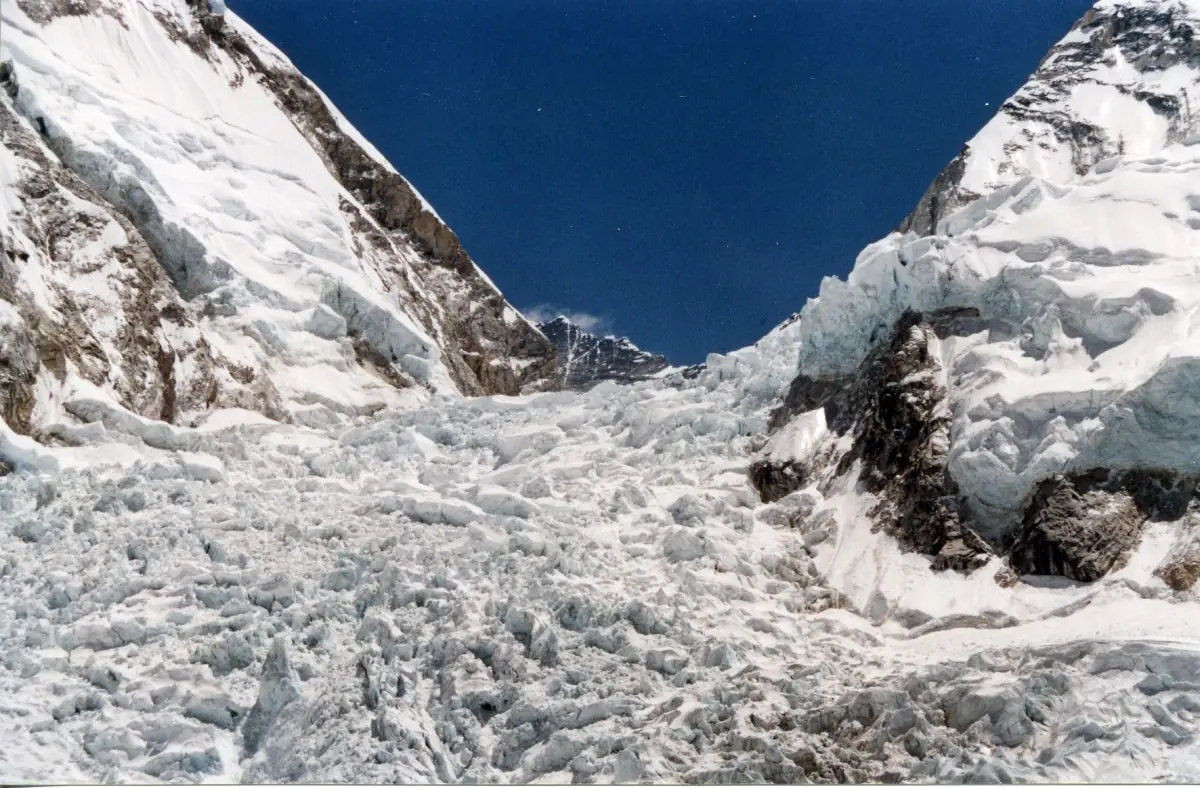
Icefall, crevasses and avalanches
The southern route in Nepal starts in the Khumbu Icefall, where the ice moves. One operator names moving ice, crevasses and the risk of avalanches and ice falling from above. Fixed ropes and ladders do not remove these hazards. See the climbing page for the route.
Crowding on the fixed ropes
Long waits at the fixed lines can add hours in the thin air and in bad weather. In May 2026 the record holder Kami Rita called for a limit on numbers, according to a press report.
Wind and weather
NASA describes summit winds that can pass 160 km/h and whiteout conditions. A season report from spring 2026 describes strong winds and delays. Good visibility in the valley says little about summit conditions. See the weather page.
Altitude
Acute altitude sickness is one of the main causes in the count. Altitude illness can affect anyone at height, also on a short trek. See the Everest View Trek for a lower-level option.
How to read the figures
Five points that keep the numbers honest.
Deaths divided by summits is not your risk
Summits and deaths describe different groups. Employed high-altitude workers and repeat ascents are counted. Do not divide one number by the other to get a personal chance of dying.
2026 is preliminary
A season report from 2 June 2026 gives five deaths, four of them while climbing, and lists one more person as missing. The report was edited afterwards. The Himalayan Database lists its season data as provisional.
Success numbers are not a rate either
Nepal reported 1,008 successful ascents for spring 2026 by 29 May. That is a count of ascents, not a success rate, because the number of people who started is not given in a comparable way.
2025 is a press count
In May 2026 The Atlantic reported five deaths and 866 summits for 2025. The figures are not matched against the original database, so treat them as press figures and not as the final statistics for that season.
Rules have changed
A press report from February 2025 states that Nepal bans solo expeditions and requires at least one guide for every two climbers above 8,000 m. In July 2026 Parliament was still discussing proposals for a prior-experience requirement, among them an earlier climb above 7,000 m. The same report says waste, including human waste, must be carried back to base camp, with biodegradable bags for the upper camps. A licensed operator can tell you the rules in force. For costs see the cost page.
If you want to see Everest, not climb it
Most visitors never go above the valleys.
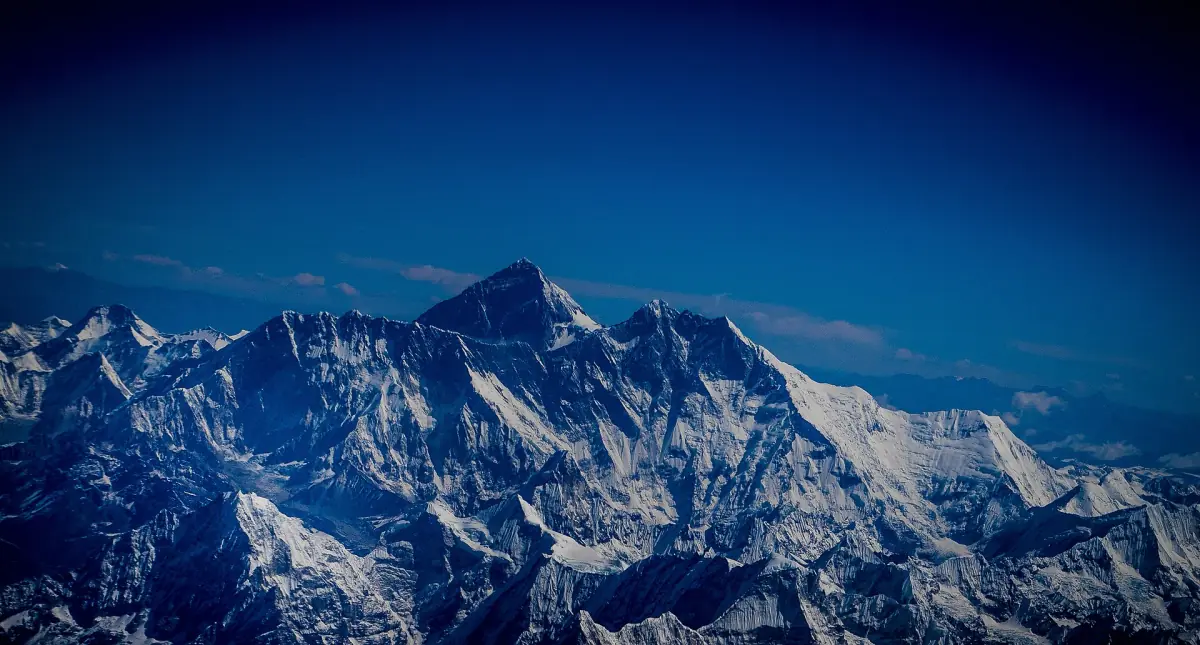
Everest flights from Kathmandu
About one hour in the air, with no landing at the mountain.
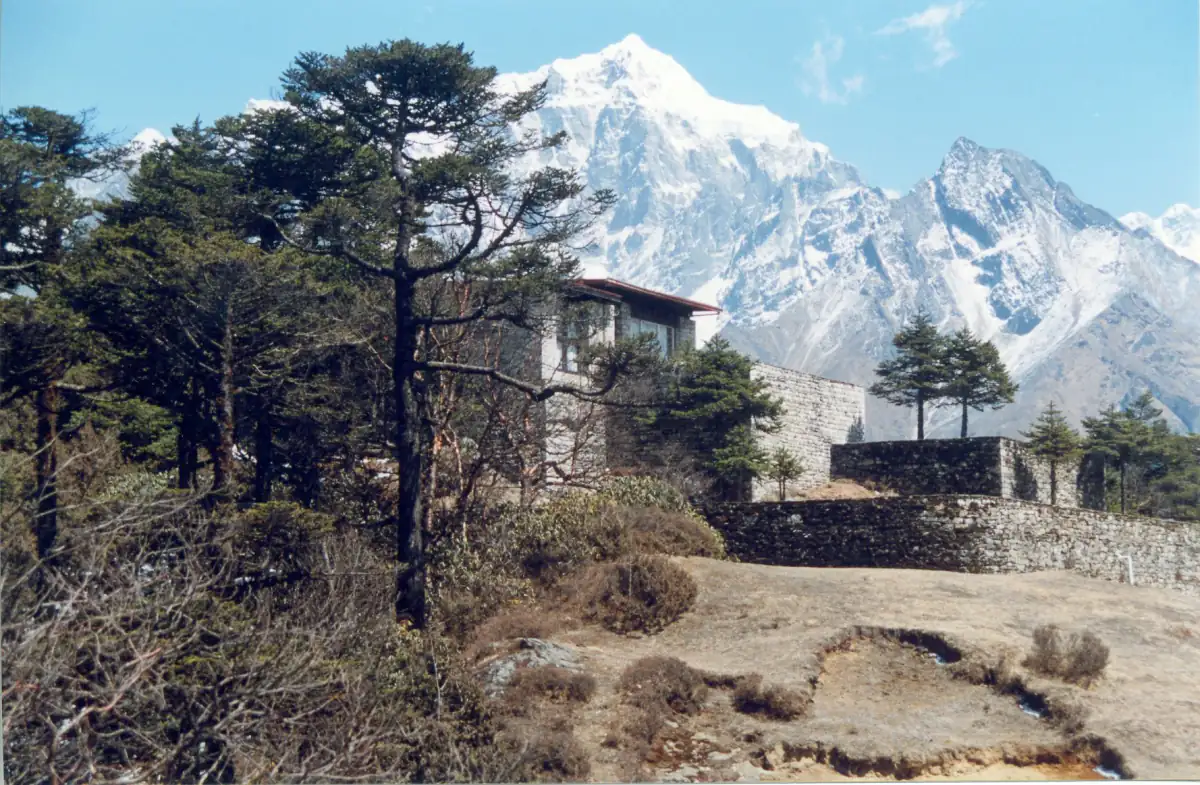
The Everest View Trek
A shorter walk to a viewpoint above Namche Bazaar.
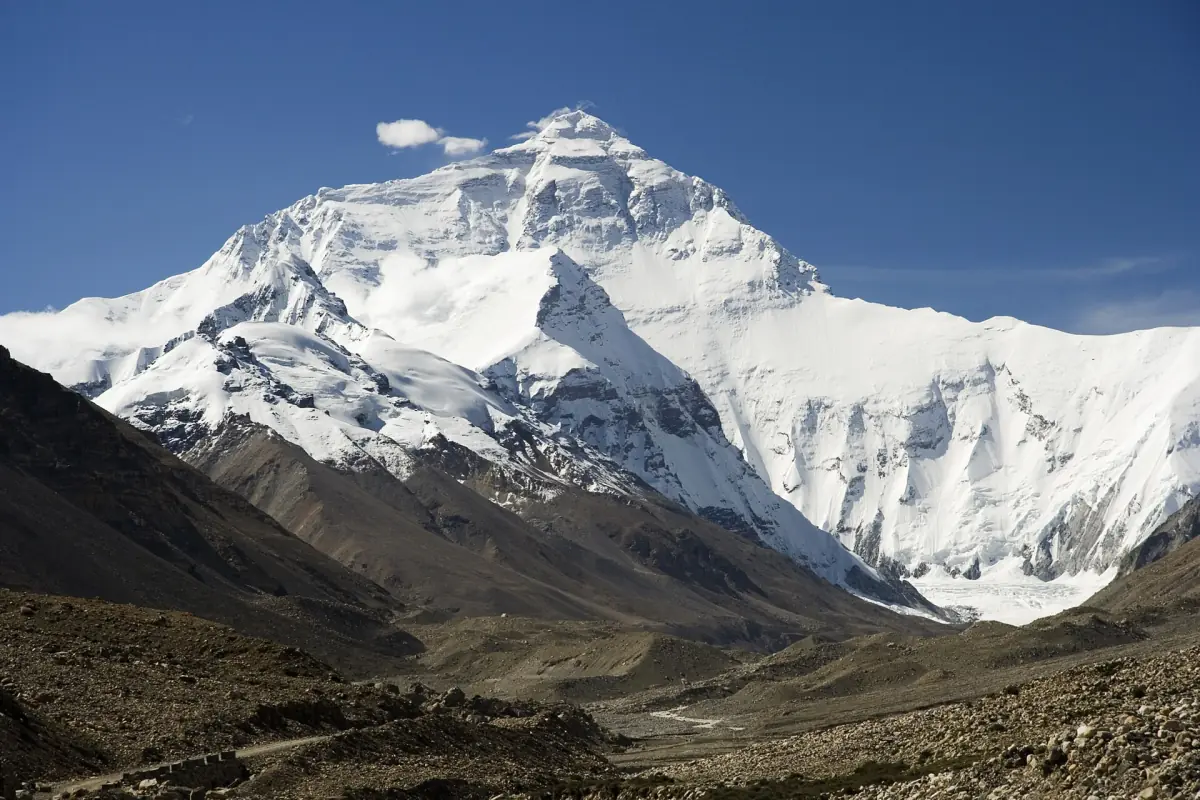
Everest from the Tibet side
Rongbuk and the north face, with permit rules.
Trekking to the base camp has its own guide on Everest Base Camp trek, with its own guides to permits and altitude.
Deaths on Everest: frequently asked questions
How many people have died on Mount Everest?
One count based on the Himalayan Database gives 339 deaths up to December 2025. Another public table lists 344. The 339 count ends in December 2025.
What is the most common cause of death?
In the 339 count, avalanches (79) and falls (78) lead, followed by acute altitude sickness (48) and exhaustion (32). Other causes include illness, cold exposure, the icefall and crevasses.
Were all the dead climbers on expeditions?
No. Of the 339, 207 were expedition members and 132 were employed high-altitude workers.
How many people died in 2026?
A season report from early June 2026 gives five deaths, four of them while climbing, and one more person missing. This is a preliminary account and not a final figure for the year.
Can I work out my own risk from these numbers?
No. Deaths and summits describe different groups, and workers and repeat ascents are included. A personal risk depends on route, season, health, experience and the team, and no published number covers that.
Are the figures official?
No. They come from published compilations and press reports with the dates given above. This site is an independent guide and is not an official source.